
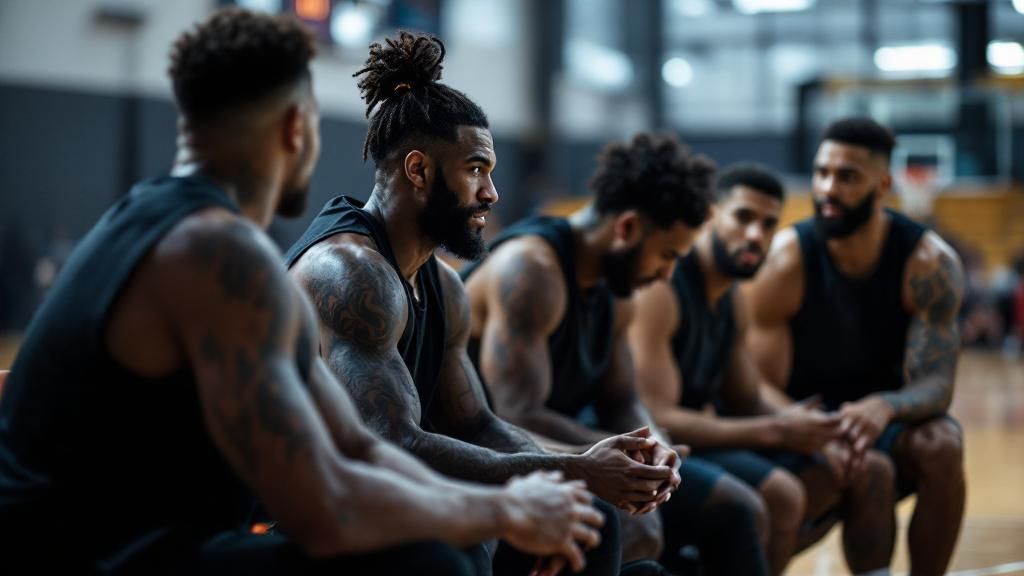
In an remarkable exchange of professional experience, elite NBA players are actively working with European elite basketball teams to overhaul preparation techniques throughout Europe. This groundbreaking venture brings cutting-edge US coaching approaches, dietary programmes, and performance analytics straight to European clubs, narrowing the geographical gap in basketball development. Learn how these collaborations are elevating European prospects, reshaping competitive benchmarks, and developing a new generation of top-tier players by means of shared expertise and advancement.
Premium American Training Approaches Revolutionising Basketball in Europe
The influx of NBA training approaches into European basketball has fundamentally altered how clubs approach athlete progression and squad output. American coaches bring decades of experience from the world’s premier basketball league, introducing sophisticated training protocols that prioritise individual skill refinement, defensive pressure, and athletic preparation. European teams have eagerly embraced these methods, acknowledging that utilising tested American approaches provides a edge over rivals in an growing international sport. This cultural exchange has fostered a reciprocal arrangement where European organisations gain from established best practices whilst NBA coaches gain important perspective into European game methods and strategic developments.
The effect of these joint ventures goes beyond mere coaching education, significantly altering organisational structures within European basketball organisations. Teams have reformed their coaching frameworks, integrated sophisticated data analysis systems, and implemented structured training programmes directly inspired by NBA protocols. Young European players now experience world-class coaching standards previously accessible only to American athletes, enhancing their performance advancement. Furthermore, this exchange of expertise has improved the overall professional standards within the European game, encouraging clubs to invest in contemporary infrastructure, sports science units, and comprehensive player welfare programmes that reflect American standards.
Physical Training and Fitness Programmes from NBA Champions
NBA champions have revolutionised athletic development by implementing evidence-based programmes that emphasise functional fitness and damage prevention. European teams are now adopting these methodologies, which highlight planned workout blocks, basketball-tailored fitness, and sophisticated recuperation methods. These programmes combine strength work, power-based drills, and cardiovascular conditioning tailored to basketball’s demanding physical requirements. By embracing NBA leading teams’ scientifically-grounded approaches, European clubs are substantially improving physical longevity, dynamic strength, and general sporting capacity whilst limiting injury risk.
The incorporation of customised training programmes has proven transformative for European professionals. NBA athletic trainers are implementing physical performance testing, continuous data analysis, and customised programme adaptations based on player data analytics. European teams leverage sophisticated equipment, dietary support, and recuperation techniques previously exclusive to American franchises. This joint methodology ensures European athletes achieve world-class athletic preparation, positioning them to compete effectively against elite international competition and establish themselves as formidable contenders on the global basketball stage.
Mental Resilience and Sports Psychology Methods
NBA stars have underscored the essential role of psychological resilience in elite basketball competition, outlining mental techniques that have demonstrated effectiveness in their performance. European teams are currently adopting visualization practices, mindfulness practices, and psychological frameworks that NBA players employ during intense competitions. These mental development strategies transcend competition contexts, covering workout periods where athletes strengthen psychological capacity through structured pressure situations. By implementing these evidence-based psychological frameworks, European clubs are developing mentally stronger competitors equipped to maintaining performance at top-tier competition.
The adoption of sports psychologists into European development programmes reflects the NBA’s integrated approach to athletic development. Cooperation with American sports psychologists has exposed European players to meditation protocols, emotional control methods, and self-assurance training rarely seen in continental basketball. These techniques address mental pressure, sharpen focus during critical moments, and promote emotional restoration between competitions. European teams recognise that exceptional physical conditioning means very little if lacking corresponding mental strength, making these collective mental knowledge invaluable for producing elite-level competitors prepared for international competition.
Practical Application and Emerging Prospects
Adopting NBA Methods into European Coaching Programmes
European clubs are now progressively adopting NBA training methodologies into their current systems, with remarkable results already visible across the continent. Teams have established dedicated coaching staff trained in American techniques, whilst at the same time modifying these approaches to suit European playing styles and resources. The rollout strategy includes detailed analysis of player performance indicators, thorough physical conditioning protocols, and advanced skill development frameworks. This systematic approach ensures that European athletes benefit from world-class training without compromising the tactical approaches that have conventionally characterised European basketball excellence.
Long-term Growth and International Market Position
Looking ahead, these strategic alliances promise significant ongoing benefits for European basketball’s global competitiveness. Emerging European talents now possess unprecedented access to elite coaching expertise, positioning them to compete more effectively in international competitions and conceivably develop NBA prospects themselves. The transfer of learning continues to evolve, with European organisations contributing their own creative methods to coaches from America. This reciprocal relationship establishes a enduring system for perpetual advancement, in the end strengthening basketball development worldwide and creating a fully integrated professional sport.
