
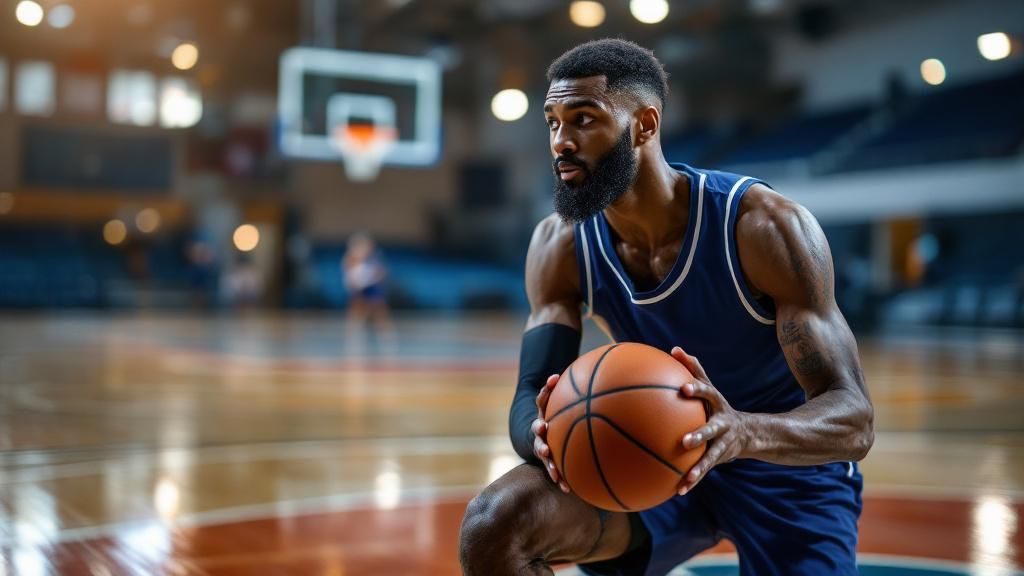
Professional basketball requires extraordinary physical toll on athletes’ bodies, yet many players cut their careers short due to avoidable injuries. From top-tier NBA players to emerging talents, understanding and implementing robust injury prevention strategies has become paramount to sustained careers in professional basketball. This article discusses scientifically-supported techniques—including strength training, flexibility work, and recovery protocols—that enable players to safeguard their health and extend their professional lives. Discover how focusing on injury prevention enhances professional longevity and increases players’ financial returns and legacy.
Critical Role of Injury Prevention in Professional Basketball
Professional basketball constitutes one of sport’s most physically demanding disciplines, requiring explosive movements, quick shifts in direction, and sustained high-intensity performance. The constant training demands, combined with the competitive pressure of matches, places considerable strain on players’ bodies and joints. Injuries incurred throughout a playing career can significantly diminish earning potential, limit on-court minutes, and ultimately cut short what might otherwise be a lucrative professional tenure. Consequently, implementing thorough injury prevention programmes has become vital for extending playing careers and sustaining optimal physical condition throughout a player’s career.
The financial implications of career-ending or career-limiting injuries is critically important within professional basketball. Players who maintain physical health throughout their careers usually command considerably greater over their lifetimes compared to those hampered by injury. Beyond monetary considerations, injury prevention strategies allow players to compete at their highest level, contribute meaningfully to their teams, and create long-term legacies. Clubs are increasingly aware that investing in injury prevention programmes produces meaningful results, lowering healthcare costs whilst also improving team performance and player satisfaction.
Modern sports science has proven conclusively that proactive injury prevention yields superior outcomes compared to reactive treatment approaches. Players who adopt training regimens mobility work and recovery methodologies experience fewer injuries and maintain optimal physical conditioning. This scientifically-grounded strategy has significantly changed professional basketball, encouraging organisations to prioritise preventative measures. Understanding the nature of frequent basketball injuries—including ankle sprains, knee ligament damage, and shoulder impingements—enables targeted interventions that markedly decrease occurrence rates.
The mental benefits accompanying injury prevention strategies go further than physical wellbeing. Players who feel confident in their training readiness show improved emotional durability, sharper concentration during matches, and greater overall satisfaction with their working life. Conversely, athletes struggling with repeated injuries often encounter anxiety, lowered confidence, and diminished satisfaction of the sport. By prioritising injury prevention, players build both physical resilience and psychological fortitude, forming a strong platform for lengthy, successful professional careers.
Corporate culture substantially affects injury prevention effectiveness across professional basketball teams. Clubs that champion preventative measures, ensure adequate recovery time, and foster player health initiatives routinely achieve reduced injury incidence and improved performance metrics. Progressive organisations understand that thorough prevention strategies represent capital outlays rather than expenses, generating returns through decreased treatment expenses, enhanced squad depth, and improved competitive outcomes. This cultural transformation has substantially transformed professional basketball.
The competitive landscape of contemporary elite basketball increasingly benefits organisations prioritising excellence in injury prevention. Teams implementing sophisticated monitoring systems, bespoke fitness regimens, and scientifically-informed recovery strategies gain significant competitive edge. Players in such settings typically enjoy extended careers, deliver superior performance, and attain higher levels of career fulfilment. As injury prevention methodologies keep evolving, organisations adopting these developments establish themselves favourably in the increasingly competitive professional basketball landscape.
Essential Harm Prevention Strategies
Implementing comprehensive injury prevention strategies represents among the most effective methods for extending professional basketball careers. Modern sports science has demonstrated that forward-thinking strategies significantly decrease the incidence of frequent basketball-related injuries, including ankle sprains, ligament injuries to the knee, and impinged shoulders. Teams investing in structured prevention programmes witness fewer missed games, better on-court performance, and enhanced overall squad stability. These research-backed approaches form the cornerstone of contemporary athletic management.
The leading basketball teams emphasise injury prevention as equally as they do skill development and tactical training. By incorporating prevention protocols throughout training schedules, players build resilience and body awareness that converts into longevity. Research regularly confirms that athletes following comprehensive prevention programmes sustain substantially lower numbers of career-threatening injuries. This commitment to preventative measures ultimately safeguards players’ future health prospects whilst enhancing their professional value and competitive output.
Physical Conditioning and Strength Programmes
Comprehensive strength and conditioning programmes represent the core element of efficient injury mitigation in competitive basketball. These research-backed regimens focus on enhancing muscular stability, strengthening joint stability, and refining functional movement patterns tailored to basketball demands. Properly implemented programmes tackle specific player weaknesses, previous injury histories, and role-specific needs. Regular assessment and programme adjustments help athletes achieve optimal physical conditioning during intense seasons whilst minimising injury risk.
Elite basketball schemes engage specialised strength coaches who customise conditioning work to each athlete’s individual requirements and situation. These professionals utilise sophisticated assessment methods to pinpoint movement pattern limitations and strength asymmetries that make athletes more susceptible to injury. Gradual load progression, sound exercise form, and appropriate rest protocols ensure sustainable physical development. When implemented effectively, strength conditioning improves sporting capability whilst simultaneously providing protective benefits that extend careers significantly.
- Build core stability through targeted abdominal and lumbar strength training
- Improve ankle support through proprioceptive work and balance training
- Condition muscles around the knee to prevent ligament injuries successfully
- Build shoulder support through rotator cuff and shoulder blade conditioning
- Optimise overall functional movement patterns tailored for basketball
Long-Term Career Benefits and Rehabilitation Procedures
Extended Gaming Longevity By Means Of Preventive Measures
Implementing thorough injury prevention strategies substantially lengthens professional basketball careers, allowing players to preserve optimal performance capacity throughout their playing years. Athletes who emphasise injury prevention training, mobility work, and recovery protocols exhibit notable playing longevity compared to those overlooking these practices. By identifying possible risk factors before injuries occur, players safeguard their physical capital and enhance their financial capacity. This proactive approach transforms careers, enabling athletes to compete at elite levels well into their thirties, markedly boosting lifetime earnings and professional achievements whilst decreasing time spent recovering.
The financial implications of extended careers cannot be overstated, as each additional season represents significant contractual earnings and sponsorship prospects. Players who stay free from injury attract premium wages, secure longer-term contracts, and secure lucrative sponsorship arrangements. Outside financial factors, longevity allows athletes to develop mentorship roles, contribute meaningfully in collective achievement, and establish lasting legacies. Consequently injury prevention constitutes an dedication towards both near-term financial protection and sustained career longevity, proving that injury-aware professionals finally reach increased professional contentment and accomplishment.
Enhanced Recovery Procedures and Healthcare Support Infrastructure
Modern elite basketball teams employ sophisticated recovery protocols combining cutting-edge technology, tailored medical approaches, and scientifically-supported recovery methods. These systems include cryotherapy, hyperbaric oxygen chambers, advanced physiotherapy, and biomechanical analysis, all designed to optimise athlete recovery between competitions. Customised recovery plans address each player’s unique physiological requirements, ensuring thorough readiness for subsequent matches. By integrating sports science expertise with medical supervision, teams create extensive care frameworks that detect initial indicators of overtraining or emerging injuries, enabling prompt action before conditions develop into serious long-term harm.
Routine clinical assessments, including high-resolution diagnostics and motion assessment, allow healthcare professionals to detect slight structural imbalances or physical weaknesses ahead of injury occurrence. Coordinated efforts between strength and conditioning professionals, sports therapists, sports physicians, and dietary specialists provide comprehensive player support tackling physical, psychological, and nutritional aspects. This multidisciplinary framework facilitates personalised injury prevention strategies designed for personal vulnerability assessments. As a result, team members receive scientifically-informed guidance enhancing athletic output whilst reducing injury likelihood, fundamentally transforming how professional basketball organisations manage player wellbeing and career longevity.
Establishing Long-term Fitness Practices for Long-term Career Success
Developing long-lasting athletic habits during early career stages creates a solid foundation for sustained health and consistent performance. Players who regularly participate in organised training programmes, stretching regimens, and recuperation methods build strength against injury-related setbacks. These habits become ingrained lifestyle components rather than temporary interventions, guaranteeing ongoing adherence throughout careers. Educational initiatives teaching players about the importance of injury prevention, alongside organisational support systems, promote the uptake of wellness-focused practices. When athletes understand direct connections between preventative practices and career longevity, they demonstrate greater commitment to implementing comprehensive wellness strategies, ultimately attaining better sustained results.
Mentorship from experienced athletes who prolonged careers through injury prevention creates significant cultural changes within teams, establishing health-focused practices amongst younger athletes. Sharing experiences concerning recovery advantages, effectiveness of preventative strategies, and career extension outcomes motivates developing athletes to prioritise injury prevention from career commencement. Team cultures prioritising player wellbeing over immediate performance improvements create environments where players willingly invest in preventative measures. This cultural shift, paired with accessible recovery resources and medical expertise, establishes optimal conditions for athletes to sustain lengthy, productive careers whilst preserving physical wellbeing and career satisfaction.
