
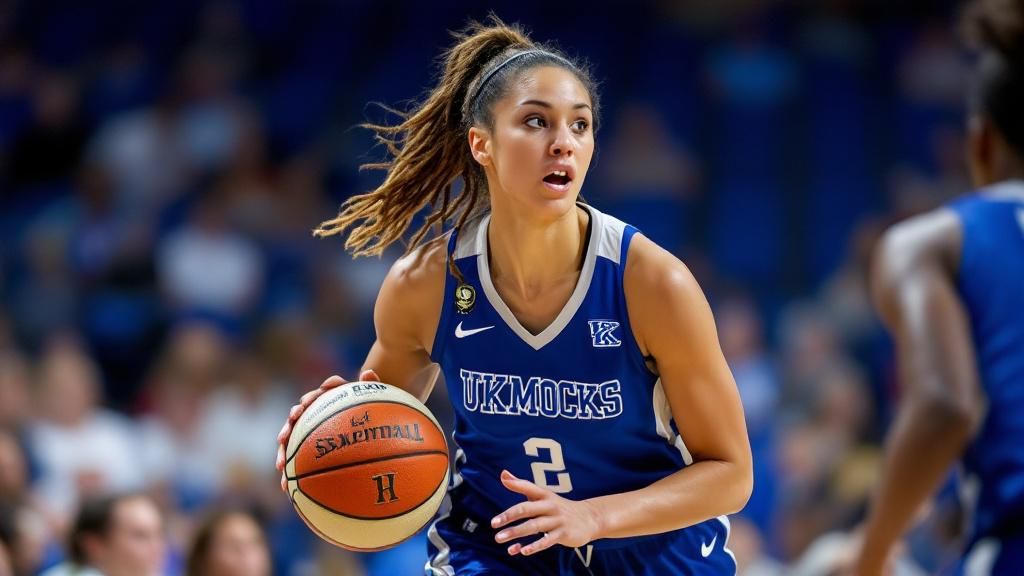
Women’s basketball has witnessed an remarkable rise in interest across UK schools, with engagement numbers attaining all-time highs. This impressive expansion demonstrates a important transformation in views of female sport and greater funding in local development schemes. From primary schools to sixth forms, girls are embracing the sport in unprecedented quantities, overcoming traditional barriers and motivating a new generation of athletes. This article examines the factors driving this competitive shift, celebrates the institutions spearheading the charge, and evaluates what this progress means for the outlook on women’s sport in Britain.
Growing Participation Patterns
The increase in women’s basketball participation across UK schools has been nothing short of extraordinary. Over the previous three years, participant numbers have grown consistently, with the latest figures indicating a 40% growth in women participants at secondary school level. This development extends beyond established centres, reaching schools in rural areas and socially deprived regions that previously had minimal basketball facilities. The momentum reflects real interest amongst adolescent females and demonstrates that when provision is made, girls readily take up the sport with passion and commitment.
Several factors have driven this remarkable upward movement. Enhanced financial support from Sport England and the UK Basketball Association has made it possible for schools to establish or expand their programmes significantly. Furthermore, the visibility of women’s professional basketball, notably through the British Basketball League’s development and media attention, has inspired junior players to take up the sport. Role models like top British athletes competing internationally have been invaluable in illustrating that basketball provides genuine career opportunities and inspiring prospects for accomplished young female athletes.
School management has proven instrumental in enabling this expansion. Many school leaders and trustees have championed basketball development, acknowledging its value in promoting physical wellbeing and developing self-assurance amongst their female students. Investment in courts, coach training, and organised competitions has created sustainable pathways for involvement. Furthermore, inclusion of the sport within physical education programmes has exposed the sport to girls who might not otherwise have encountered it, broadening the talent pool significantly.
Regional disparities in expansion trends highlight notable insights about programme performance. Areas with committed basketball coaching personnel have achieved notably substantial increases, whilst regions establishing extensive coach training programmes have seen strengthened retention rates. The introduction of inter-school competitions and county competitions has cultivated a culture of competition that encourages continued participation. These structural improvements illustrate how strategic planning and resource distribution directly convert to quantifiable increases in participation.
Looking at demographic shifts, participation has become increasingly inclusive across all age demographics and ability levels. Primary school girls are now engaging with basketball through educational sports collaborations, building a robust platform for secondary school progression. In addition, the development of inclusive programmes welcoming players with disabilities has broadened access further. This widening of opportunity ensures that basketball progression is not restricted to elite performers but encompasses all girls keen on basketball independent of their starting point or starting point.
Backing and Infrastructure Growth
Institutional Funding and Investment
The increase in women’s basketball participation across UK schools has been substantially bolstered by increased school funding and targeted financial programmes. Schools have recognised the importance of directing funds towards basketball initiatives, including purchasing quality equipment, upkeeping indoor courts, and employing qualified coaches. Local councils and educational bodies have given priority to basketball growth, understanding that adequate facilities is crucial for sustaining this expansion. This financial commitment demonstrates a genuine shift in how schools value women’s sport, moving beyond tokenistic gestures to meaningful, long-term investment in women athletes’ development and success.
Furthermore, sports governing bodies and national organisations have increased their support, offering funding and grant opportunities expressly aimed at women’s basketball programmes. These funding provisions have enabled schools to establish competitive teams, arrange inter-school tournaments, and develop routes into players with potential. Facility investment has also increased substantially, with numerous schools refurbishing their sports centres to satisfy standards recognised internationally. This integrated strategy to financial support guarantees that growth in participation is underpinned by the required facilities, preventing the impetus from stalling due to resource constraints or insufficient infrastructure.
Community partnerships have become another essential funding mechanism, with local companies and community groups sponsoring basketball initiatives and competitions. These collaborations have established long-term funding approaches that extend beyond traditional school budgets. Commercial backing has allowed schools to obtain high-quality training resources, fund coaching certifications, and cover travel expenses for competitions at regional and national level. Such relationships also raise the profile of women’s basketball within local communities, generating interest and participation beyond the school environment itself.
Coaching Excellence and Professional Development Routes
The establishment of robust coaching infrastructure has been vital in supporting higher participation numbers across UK schools. Schools have invested in recruiting experienced coaches with knowledge in basketball, many of whom hold accredited certifications from governing bodies. Skills enhancement programmes have equipped coaches to enhance their skills, remain updated with modern training approaches, and develop specialised knowledge in coaching female athletes. This emphasis on coaching quality ensures that participants receive quality instruction, which directly contributes to improved performance, increased enjoyment, and increased retention rates within basketball programmes.
Structured development routes have been created to assist gifted athletes’ progression from secondary education to university and professional opportunities. These routes deliver defined objectives and advancement pathways, inspiring emerging talent to invest in their development as basketball players. Mentoring initiatives linking school players with university-level athletes and professional competitors have shown considerable benefit, offering inspiration and practical guidance. Such comprehensive support systems illustrate that schools are committed to developing talent with genuine commitment, creating genuine opportunities for women basketball athletes to pursue their athletic goals at the top level.
Future Prospects and Potential Avenues
The direction of women’s basketball in British schools suggests an remarkably promising future, with numerous encouraging developments on the horizon. Support from regulatory authorities, sponsorship deals, and greater media attention are creating exceptional chances for young female athletes. Universities are extending their athletic scholarships for basketball, appreciating the quality of players developing in secondary schools. Furthermore, the visibility of professional women’s basketball leagues, nationally and globally, offers aspirational role models for schoolgirls. This combination of developments suggests that existing engagement rates will keep increasing, cementing basketball as a central sport for female students throughout Britain.
Beyond participation figures, the sustained effects for female athletics in Britain are profound and far-reaching. The success of basketball programmes illustrates that girls will engage enthusiastically with sport when given genuine opportunities and appropriate support. Schools are now positioned to leverage this momentum, expanding facilities and coaching resources to accommodate growing demand. Moreover, the cultural shift towards valuing female athletes equally with their male counterparts establishes a sustainable foundation for continued growth. As these young players advance during their educational journeys, many will serve as champions, coaches, and leaders, perpetuating this positive cycle and reshaping the landscape of female athletics in the UK.
